

Location · Las Chapas, Marbella, España
Client · Nortia Capital Investment Holding
Date · 2020
Phase · Competition
Type · Residential
Surface · 51.200 m2
Architecture · G&J Arquitectura
Landscaping · LEMApaisajes
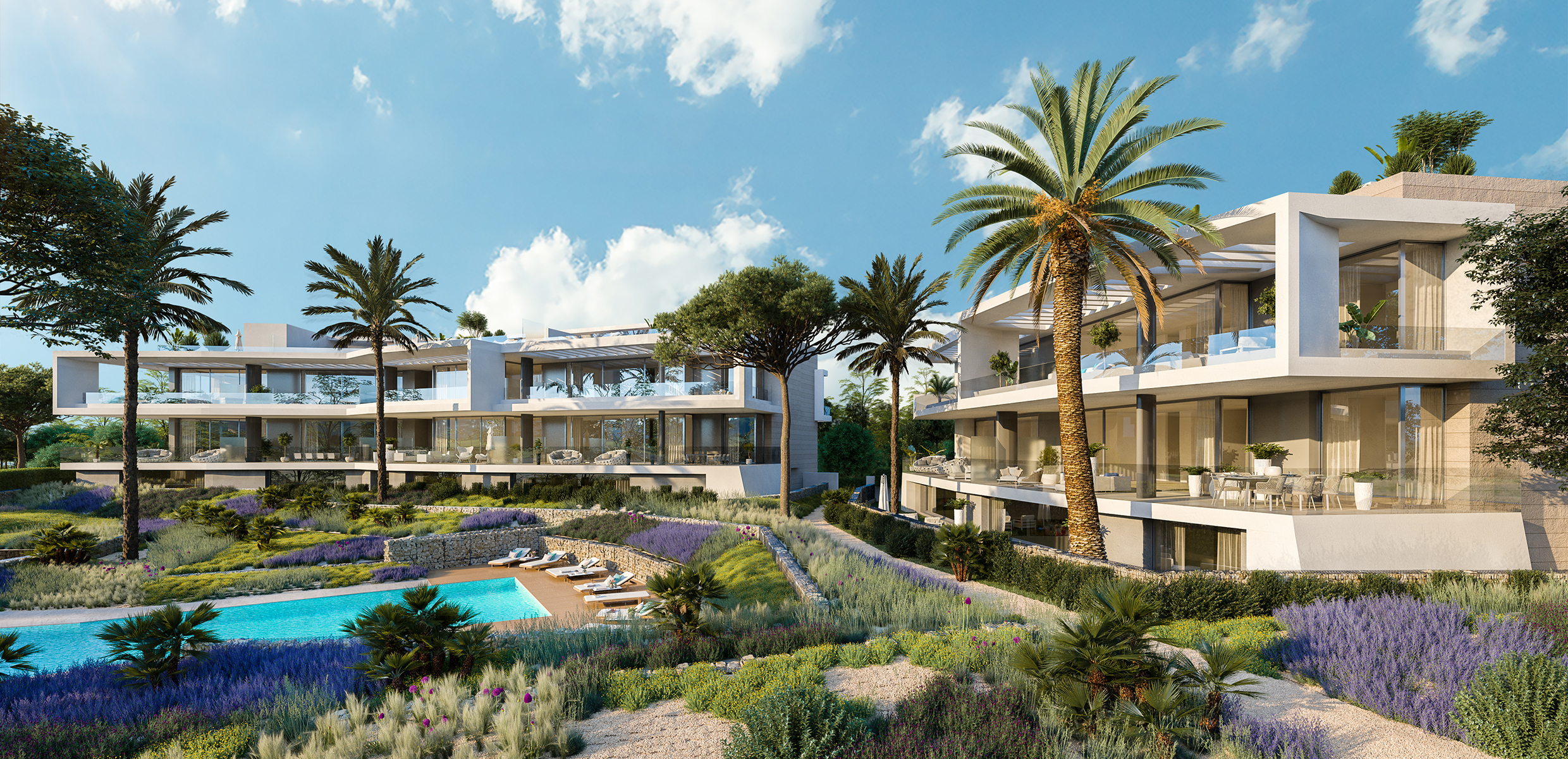
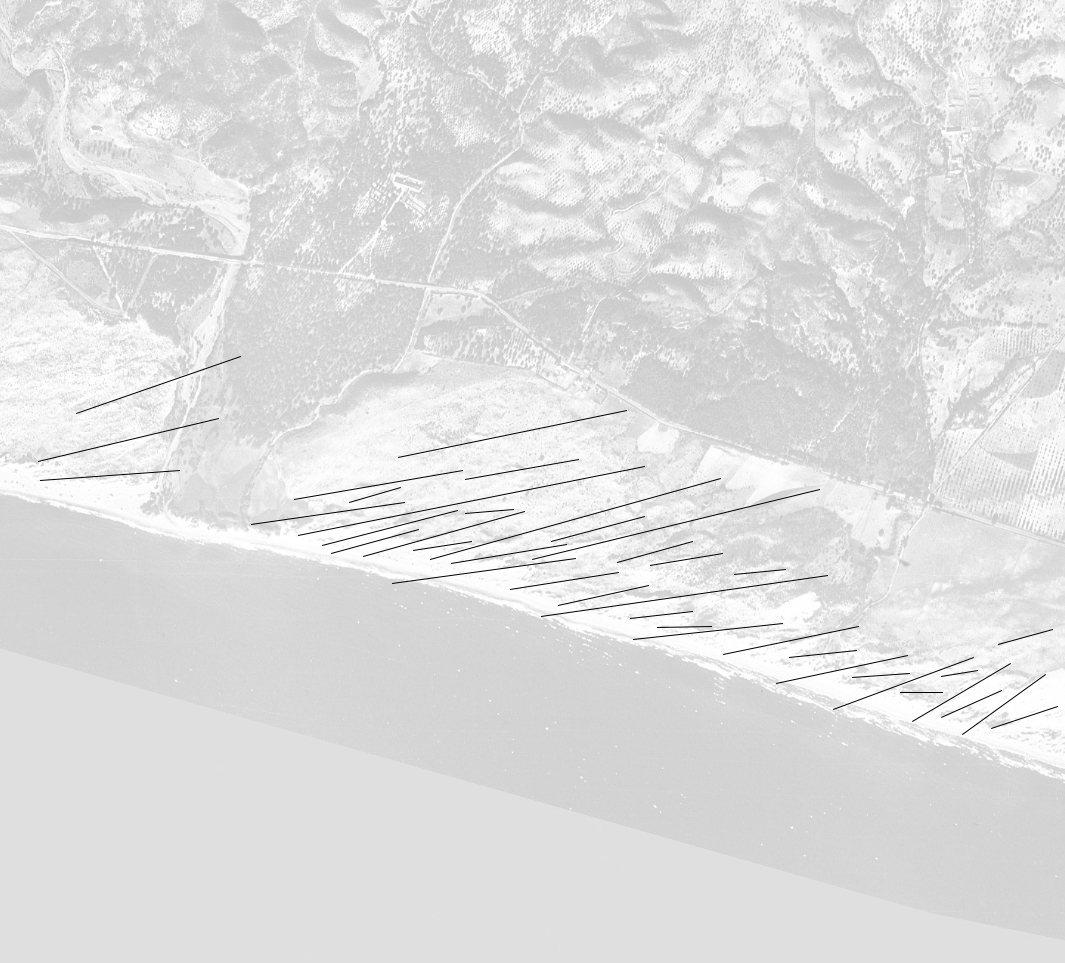
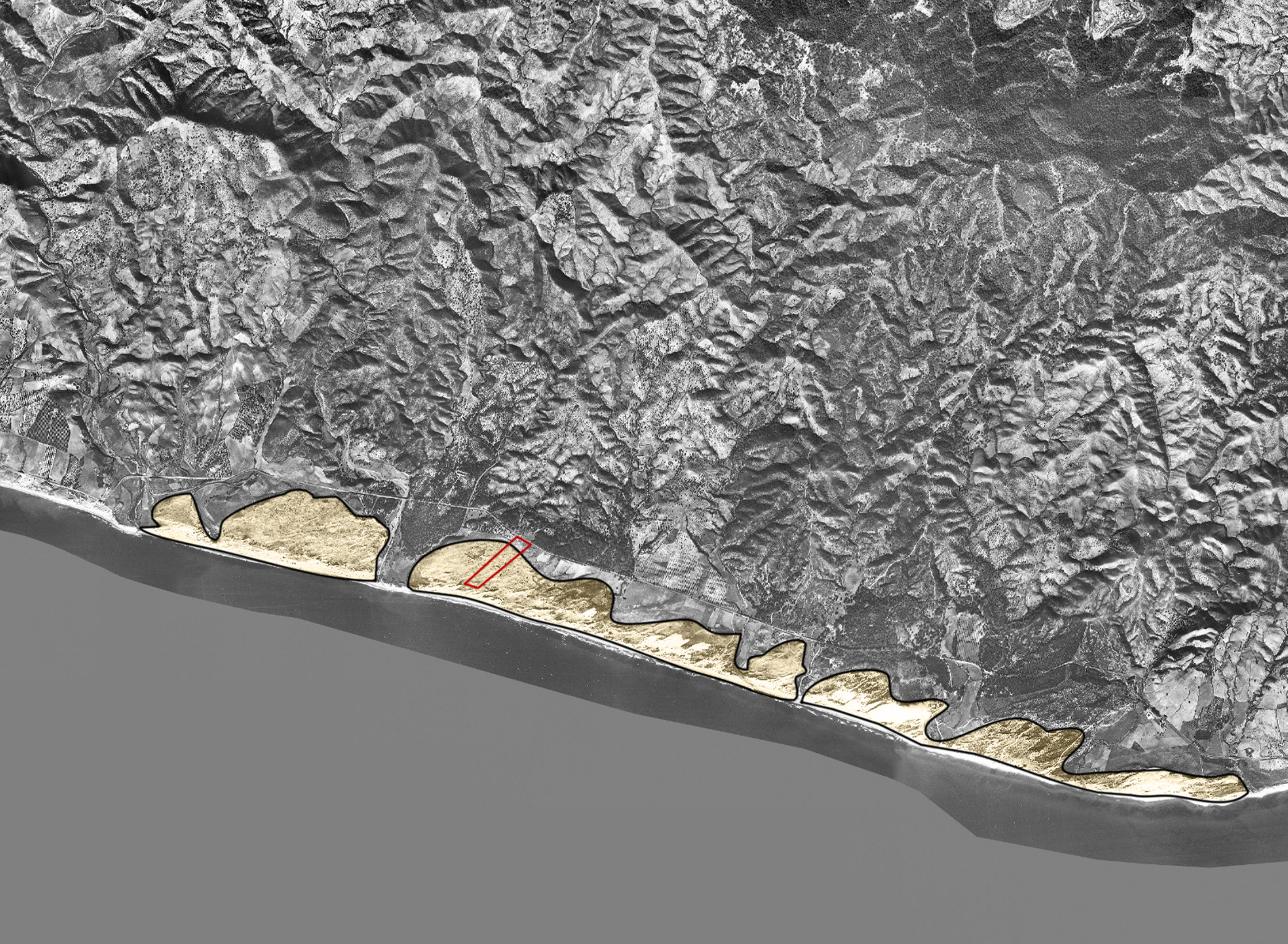
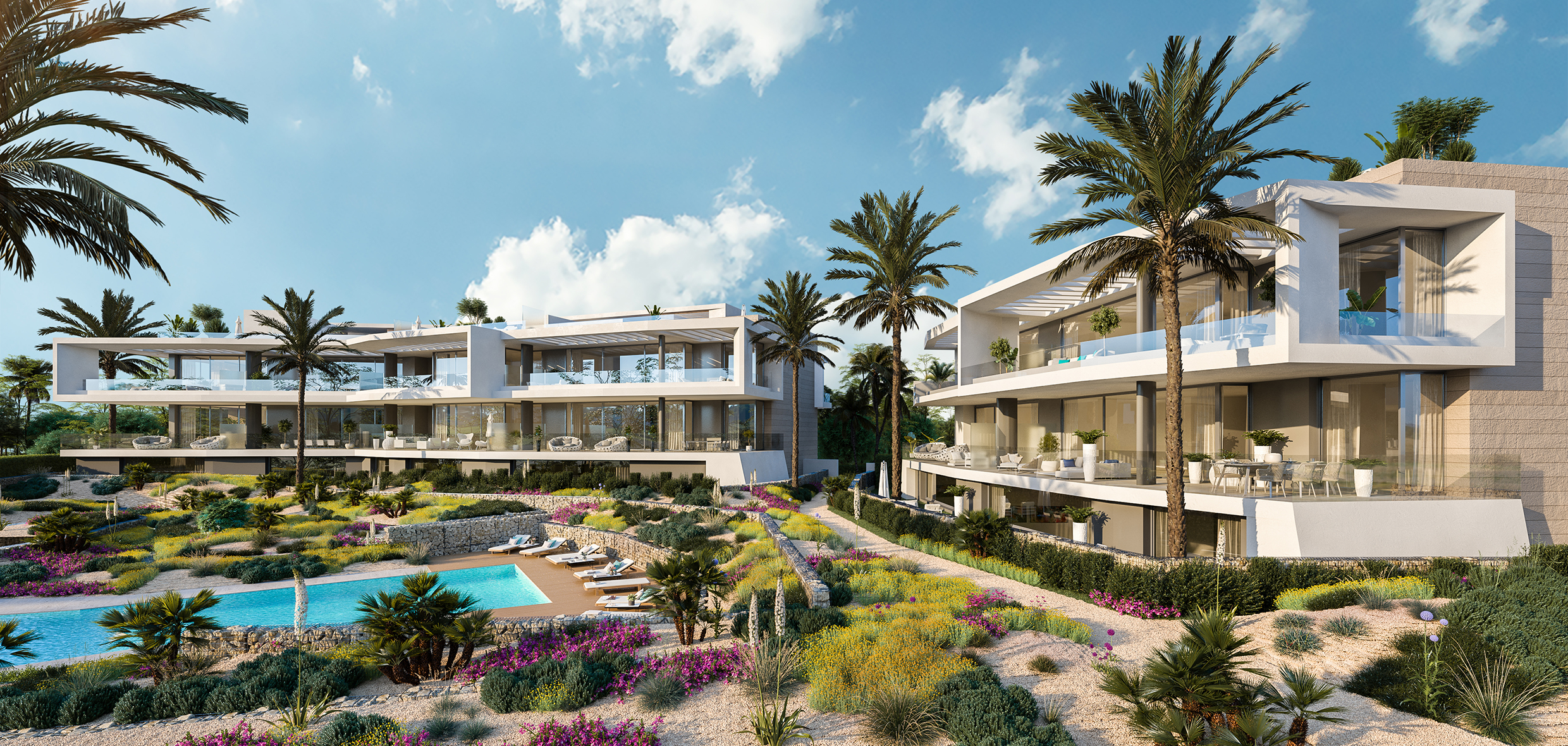
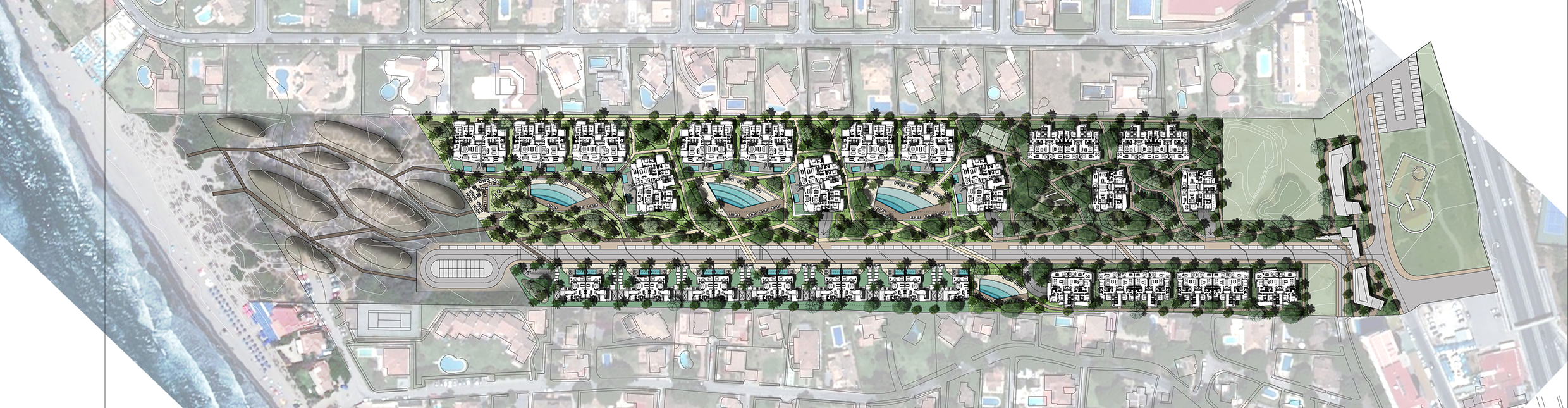
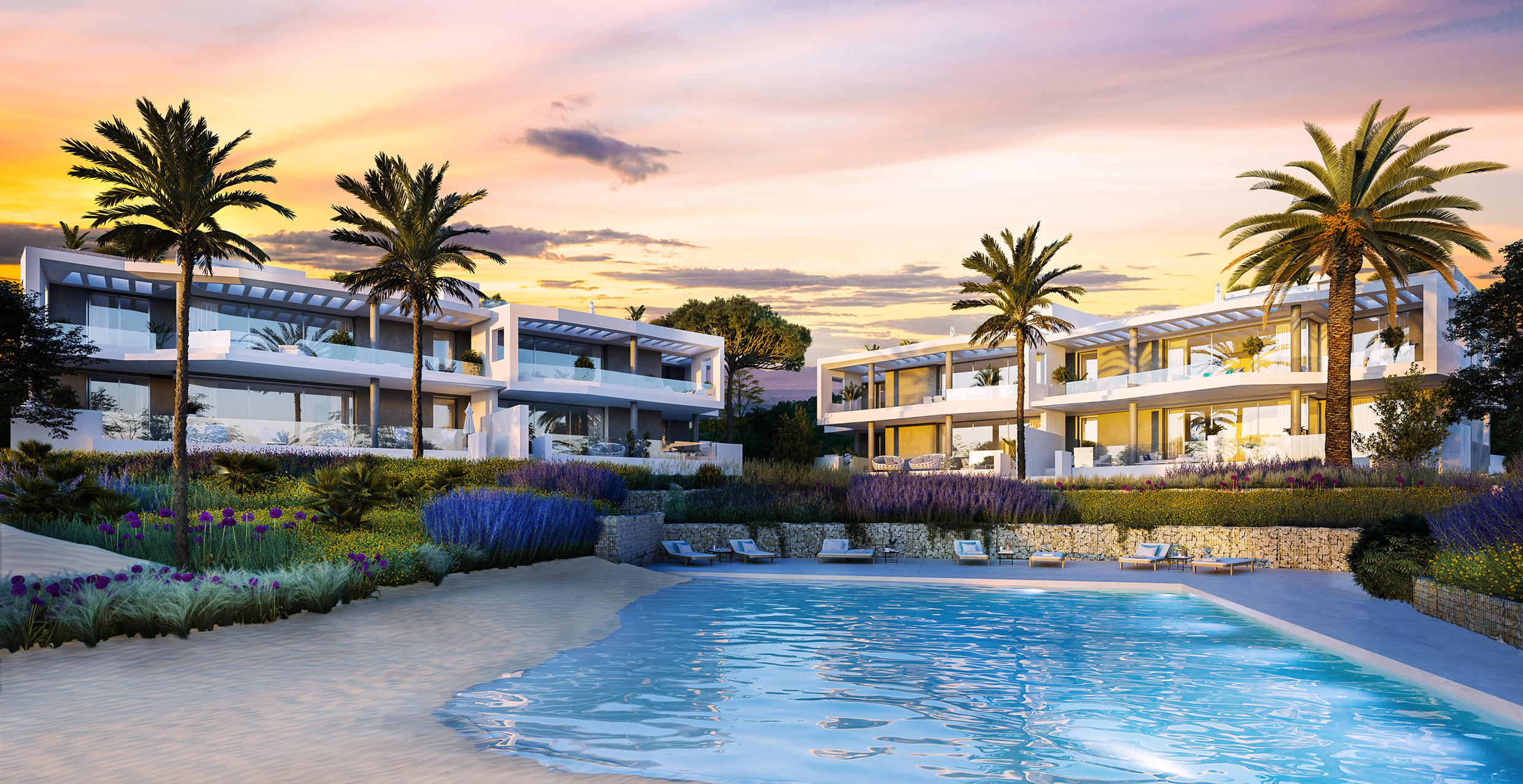
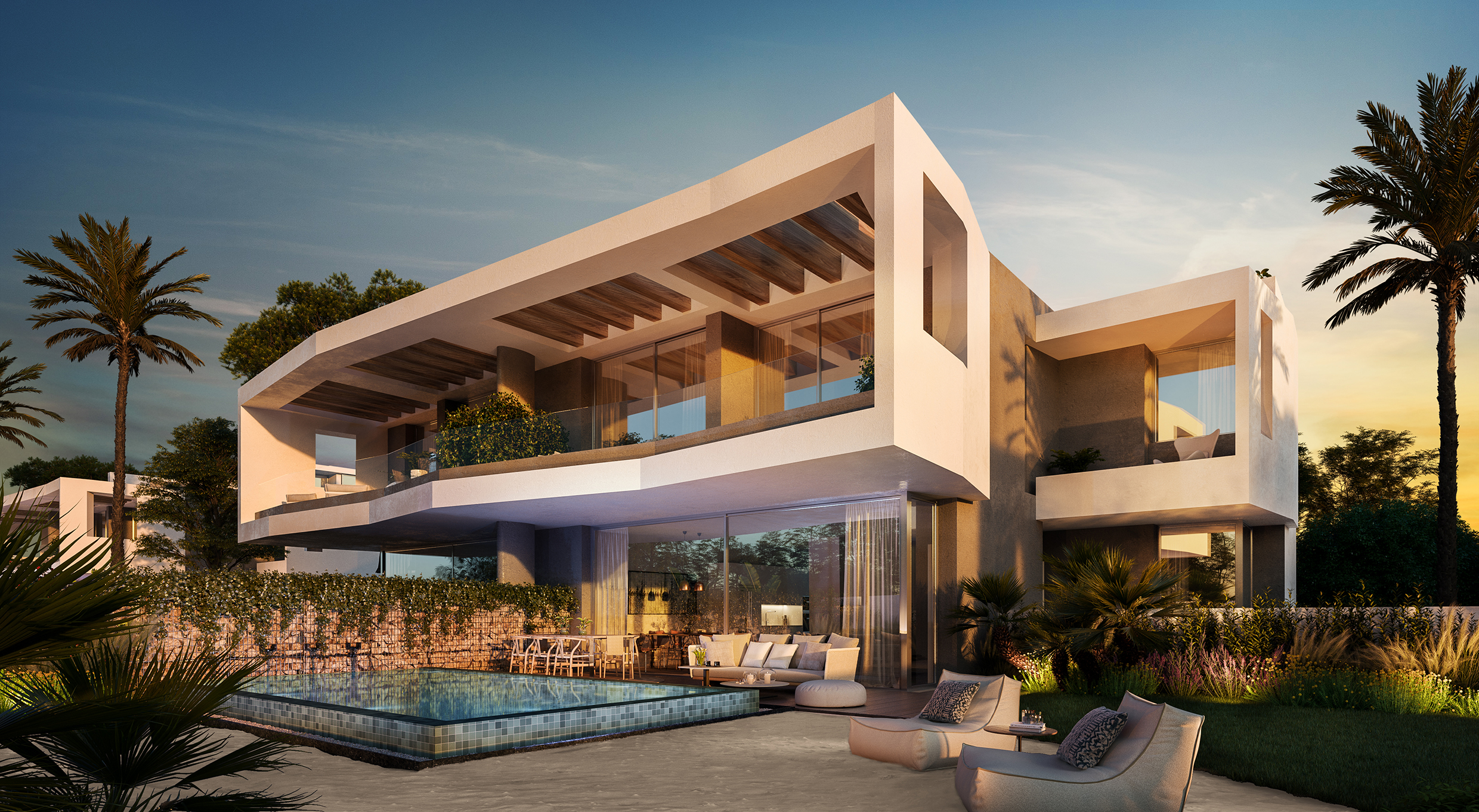
A garden is projected that is inspired by the dune ecosystem, both by the selection of plants and by the organization of spaces, changing as we move away from the sea.
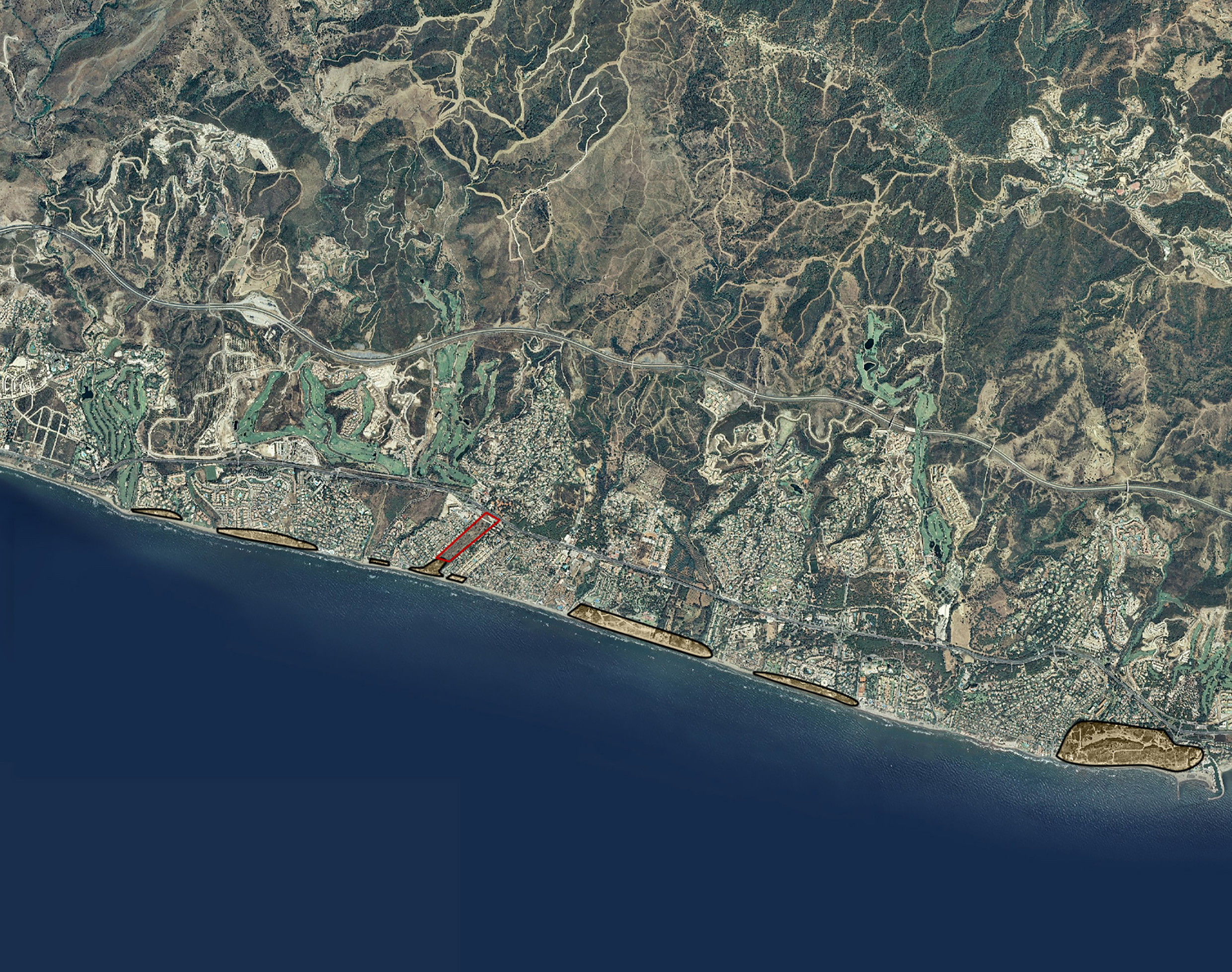
The use of native plants with few water needs favors water savings as well as adaptation to the largely sandy substrate of the land. Likewise, the use of invasive plants that may pose problems of colonization of the adjacent protected dune is avoided. The spaces are organized as a progression of very unique dune environments:
WHITE DUNE
The first strip of the project is called the white dune because of its proximity to the sea and the first line of the dune (commonly called the white dune). It has a selection of plants that seeks the integration of the project with the nearby dune, but providing an addition of colors to achieve attractiveness throughout the year.
GRAY DUNE
The second strip of the project is clearly inspired by the semi-fixed dunes located behind the coastal strip called gray dunes. The vegetation of said dune depression has a high ecological value that is intended to be reflected in the proposal, selecting the most attractive plants for their colors and textures.
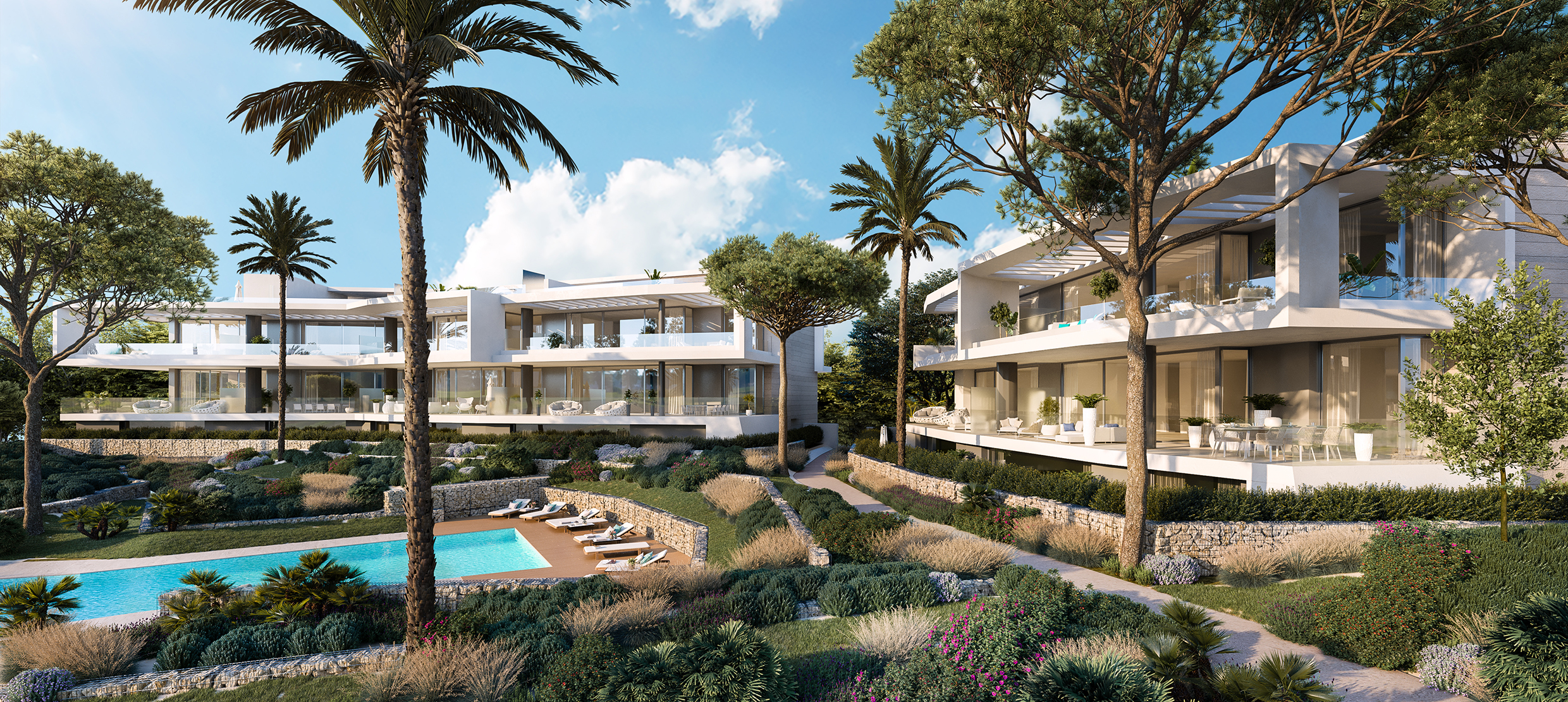
FIXED DUNE / PINAR
In the last strip of the plot, the conservation of the existing stone pine specimens is proposed and it is intended to reinforce this own identity. Likewise, this part of the garden is inspired by the pine forests naturally present in the further back of the dunes called fixed dunes.
Se proyecta un jardín que se inspira en el ecosistema dunar, tanto por la selección de plantas como por la organización de los espacios, cambiando a medida que nos alejamos del mar.
El uso de plantas autóctonas con pocas necesidades hídricas favorece el ahorro de agua así como la adaptación al sustrato mayoritariamente arenoso del terreno. Asimismo, se evita el uso de plantas invasoras que puedan suponer problemas de colonización de la duna protegida adyacente. Los espacios se organizan como una progresión de entornos dunares muy singulares:
DUNA BLANCA
La primera franja del proyecto se denomina duna blanca por su cercanía al mar y a la primera línea de la duna (comúnmente llamada duna blanca). Cuenta con una selección de plantas que busca la integración del proyecto con la duna cercana, pero aportando elementos de colores para lograr atractivo durante todo el año.
DUNA GRIS
La segunda franja del proyecto está claramente inspirada en las dunas semifijas ubicadas detrás de la franja costera denominadas dunas grises. La vegetación de dicha depresión dunar tiene un alto valor ecológico que se pretende reflejar en la propuesta, seleccionando las plantas más atractivas por sus colores y texturas.
DUNA FIJA/PINAR
En la última franja de la parcela se propone la conservación de los ejemplares de pino piñonero existentes y se pretende reforzar esta identidad propia. Asimismo, esta parte del jardín se inspira en los pinares presentes de forma natural en la parte más trasera de las dunas denominadas dunas fijas.
 LEMApaisajes